Votre emplacement
Les options de livraison diffèrent selon les zones
Connectez-vous pour actualiser votre adresse
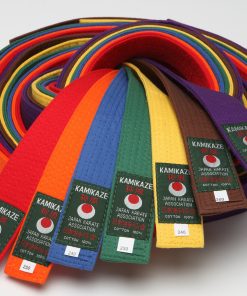
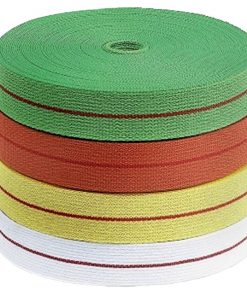

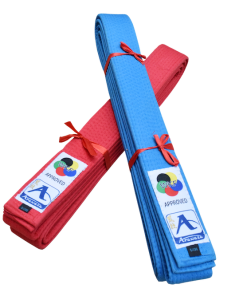


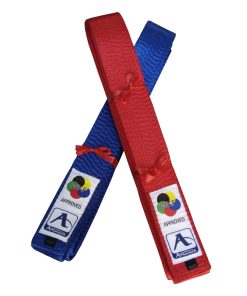
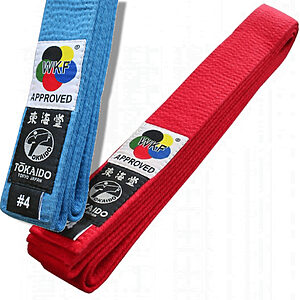
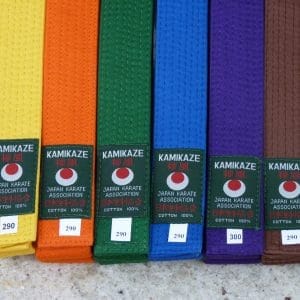
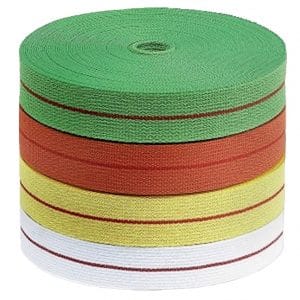
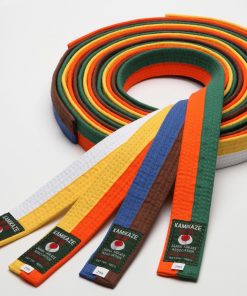
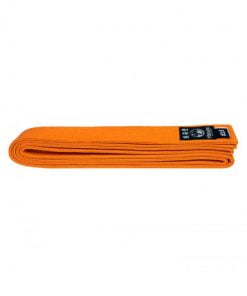
The evolution of a karateka goes through different ranks. Worn over the kimono and tied in a very specific way, the belt (obi) visually identifies a fighter's level. From white belt to black belt, each grade is represented by a color, in this order: white, yellow, orange, green, blue and brown. Up to brown belt, grades are called "kyu", and from black belt upwards, "dan".
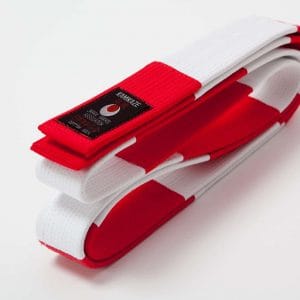
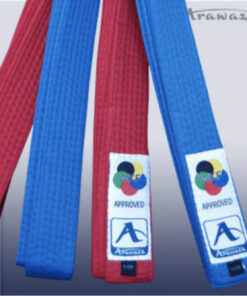
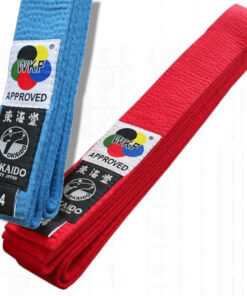
The "kyu"/colored belts are issued and validated by the karateka's teacher. To pass the black belt and then the dan, official examinations must be passed by the French Karate Federation. From 6th dan onwards, karateka can wear the specific red and white belt, at 8th dan the red belt and at 10th dan the white belt.
Of course, the color of your karate belt should be chosen according to the grade corresponding to your level and validated by your teacher. To choose the right belt length, there's a simple rule of thumb: multiply your waist circumference (cm) by two and add 120cm. For example, for someone whose waist measures 85 cm: 85x2 + 120 = 290. A 290 cm belt will therefore be suitable, although a 270 or 280 may also be appropriate, depending on individual preferences.
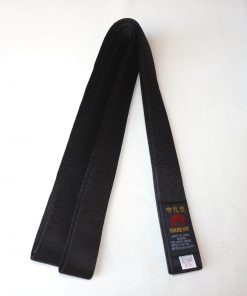
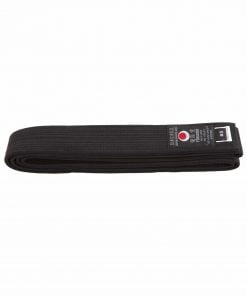
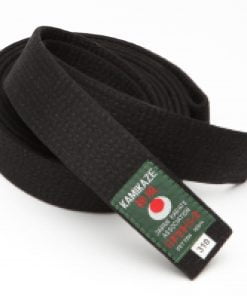
When it comes to black belts, most brands offer a wider choice. You can choose the material (cotton, satin or natural silk) as well as the width and thickness.
Just like your kimono, it's important to take good care of your belt. Depending on the material it's made from, the care technique differs. A silk or satin belt, for example, should be hand-washed, while a cotton belt can be machine-washed. Whether your belt is made of cotton, silk or satin, here are a few simple tips to help it last.
Originally, there was no system of grades for karate. Grades were introduced at the end of the 19th century by Jigoro Kano for judo, and later adopted by Gichin Funakoshi for karate. At the time, only white and black were used to distinguish masters from students. However, as karate gained in popularity, Master Funakoshi realized the need to adapt his teaching. Intermediate-level instructors were trained to provide technical instruction in line with the level of the growing number of students.
Grade and color correspondences may vary according to karate style. Some clubs offer mixed-colour belts to represent an intermediate level. For example, a student whose level falls between yellow and orange may wear a belt in both colors.
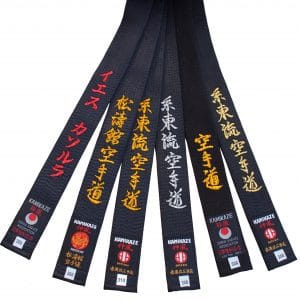
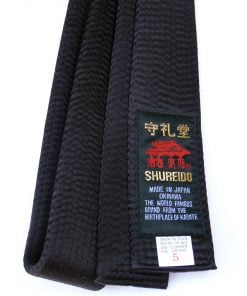
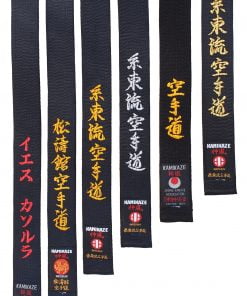
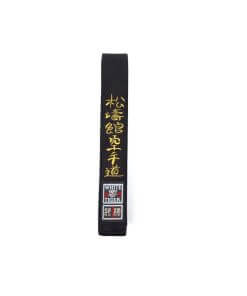
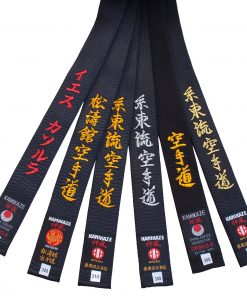
It's common to see Japanese kanji embroidered on karate belts. These embroideries can indicate the wearer's name or the type of karate practiced, and can be inscribed on one or both ends of the belt. When you order your belt from Karate-Gi.eu, we offer this embroidery service! You can also have the basic label changed, simply let us know when you place your order.